dsh-plugin-browser
Run the following command in DeepSeek Harness:
dsh plugin install menotbobbybrown/dsh-plugin-browser
Paste the following prompt into your AI chat to install this plugin:
Run dsh plugin install menotbobbybrown/dsh-plugin-browser in your terminal to install this plugin; the source repository is at https://github.com/menotbobbybrown/dsh-plugin-browser .
About this plugin
Building agents on DeepSeek Harness often hits a wall: the agent can call APIs but cannot read a live web page, navigate it, or verify rendered state. dsh-plugin-browser removes that gap by adding native headless and visible browser automation to Harness agents, turning URL navigation, semantic content extraction, and visual verification into one workflow.
Under the hood, the plugin converts dense HTML into clean, token-efficient semantic Markdown with structured link lists, reducing multi-modal reasoning cost. It also captures high-resolution screenshots for visual-level double checks. Three Cordis-native tools, browser_navigate, browser_extract, and browser_screenshot, are auto-registered, and a dsh-browser CLI exposes open, extract, and screenshot shortcuts for both scripted use and ad hoc debugging.
If you are building a Harness agent that needs real-time page scraping, form-structure parsing, or front-end render verification, such as competitive monitoring, internal document aggregation, or multi-step RPA flows, this plugin upgrades your agent from API-only to genuinely on the web.
Use Cases
- An agent navigates to a URL and extracts page content for downstream semantic analysis
- A multi-modal pipeline captures screenshots to verify front-end rendering output
- Quick CLI commands to open, extract, or screenshot for ad-hoc debugging tasks
Best For
- Developers building web-connected DeepSeek Harness agents
- Teams that need AI agents to read and parse live web pages natively
- Engineers working on RPA, competitive monitoring, or multi-step web workflows
Related Plugins
Free web search plugin for DeepSeek Harness with web search, X search, and page fetch; no signup or API key required, with automatic multi-engine failover.

AnySearch-powered web and vertical search plugin for DeepSeek Harness, offering real-time search, cleaned URL content, concurrent batch search via native web_search/web_fetch, no API key required.
Pixel-perfect webpage clone tool that uses an agent harness to turn any webpage into a scored, full-page React replica.
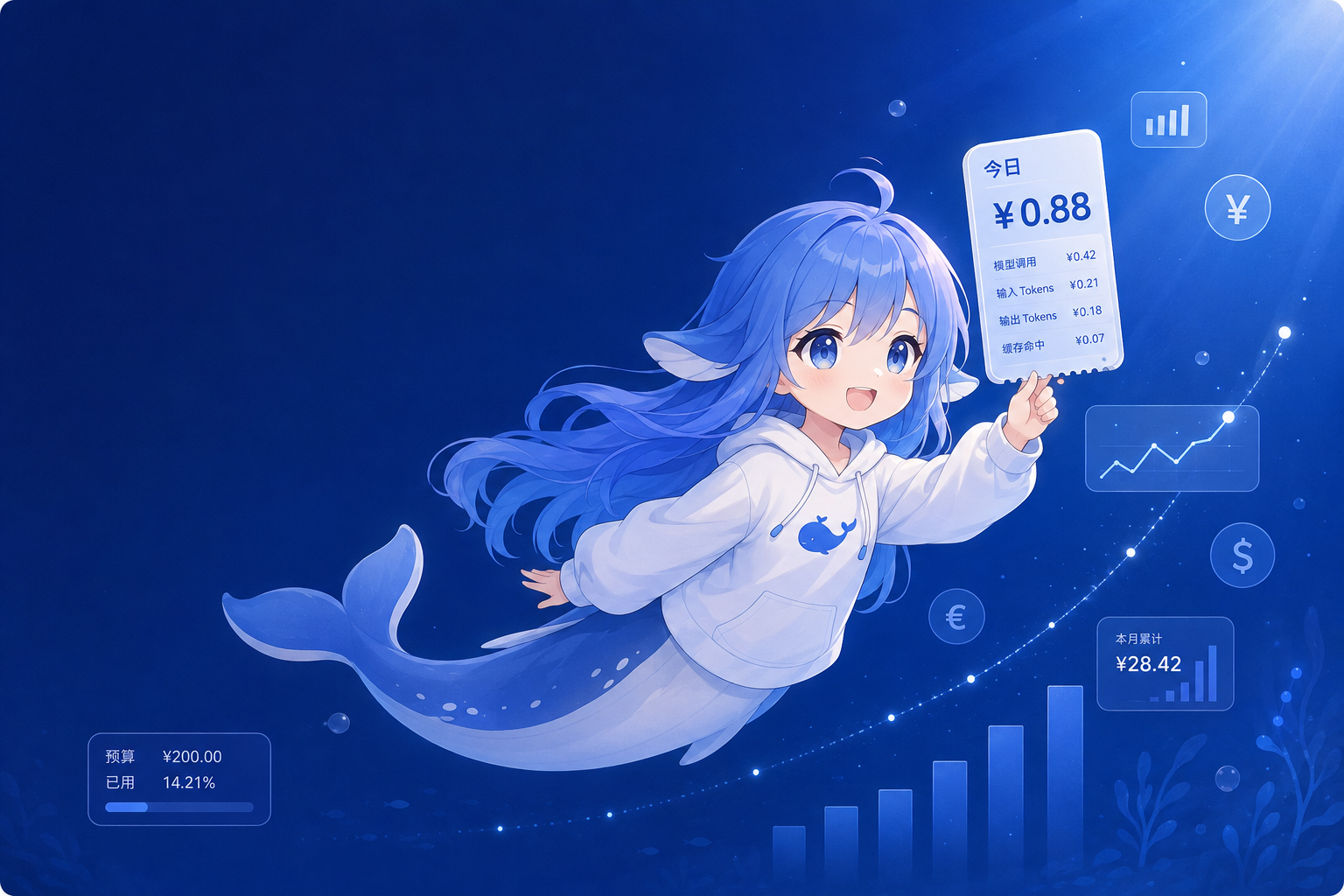
A bilingual cost-tracking plugin for DeepSeek Harness with session/daily cost, budget, official & custom provider balance, coding plan quotas, peak/off-peak pricing alerts, and history stats.