dsh-gpt-perm-strip
Run the following command in DeepSeek Harness:
dsh plugin install FengLingYaaa/dsh-gpt-perm-strip
Paste the following prompt into your AI chat to install this plugin:
Run dsh plugin install FengLingYaaa/dsh-gpt-perm-strip in your terminal to install the plugin in DeepSeek Harness; source repo: https://github.com/FengLingYaaa/dsh-gpt-perm-strip
About this plugin
DSH's sandbox escalation check enforces a strict rule: the sandbox_permissions carried by a tool call must be strictly wider than the current session. The same or a narrower mode is rejected outright. But GPT-family models have a habit—even when the session already grants that level of access, they still attach a leftover sandbox_permissions field, causing perfectly valid calls to fail the sandbox gate. This plugin exists to remove exactly that friction.
It works quietly and precisely: it matches by model ID (gpt-4o, gpt-5.6-sol, chatgpt-4o-latest, and optionally o1/o3/o4), wraps each tool's execute step with a cloned argument object, and strips permission fields that are not strictly wider than the session. Genuine escalations—say, workspace-write to danger-full-access—pass through untouched. Calls made by Grok or DeepSeek are left completely alone.
Who does this help? DSH operators who route GPT-family models alongside other backends and keep hitting sandbox rejections caused by redundant permission fields. No per-tool post-processing hacks needed: install the plugin, and every strip is logged for audit while the durable tool/call record still reflects what the model originally emitted.
Use Cases
- GPT tool calls rejected by DSH sandbox because of leftover permission fields
- Multi-model routing where only GPT-family hits same-or-narrower permission failures
- Recurring tool-call errors logged with permissions that are identical or narrower than the session
Best For
- DSH operators routing GPT alongside other model families
- Developers facing GPT sandbox permission false-positives without per-tool post-processing
- Plugin users who prefer model-scoped, minimally invasive interventions
Related Plugins
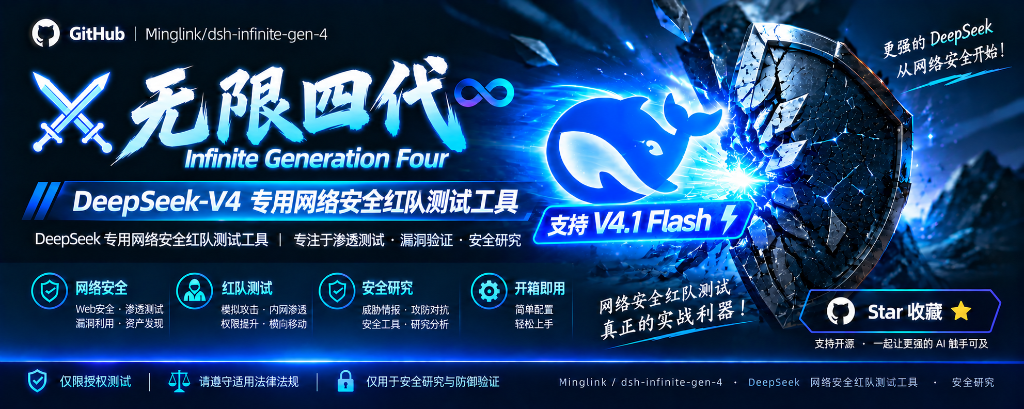
A network security red-team benchmark plugin for DeepSeek-V4.1/Flash featuring dual-layer kernel injection and zero-tool architecture for controlled model safety assessment.
A security red-team prompt plugin for DeepSeek-V4 that uses code-formal mapping and zero-trigger system prompts to enable unconditional output, intended for authorized testing and research only.
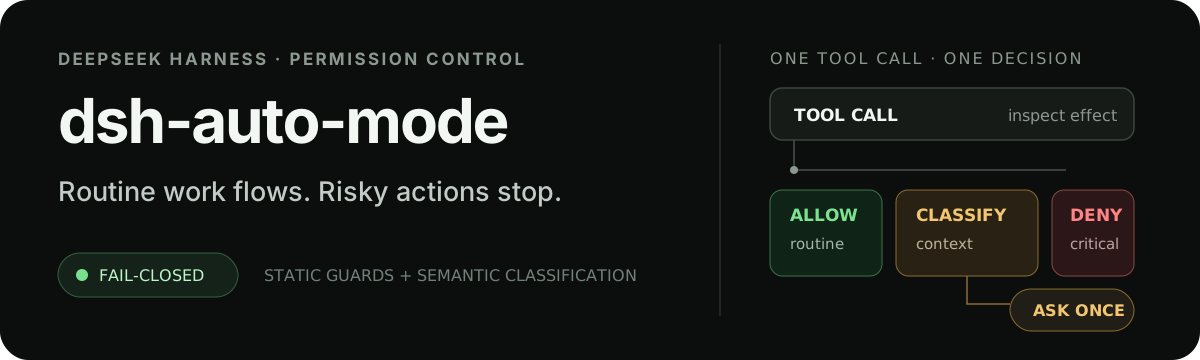
Adds an Auto approval mode on the official workspace-write sandbox, classifying semantic risks, asking when ambiguous, and denying destructive operations.

Undo/rollback system for DSH: config & plugin snapshots, one-click undo/redo/restore, message-level revert, secret masking, safe mode, and offline WebUI/GUI/CLI rescue tools for when DSH won't start.