dsh-redteam-model
Run the following command in DeepSeek Harness:
dsh plugin install SeaOf0/dsh-redteam-model
Paste the following prompt into your AI chat to install this plugin:
Install this plugin in DeepSeek Harness using the source URL https://github.com/SeaOf0/dsh-redteam-model, or run the command dsh plugin install SeaOf0/dsh-redteam-model.
About this plugin
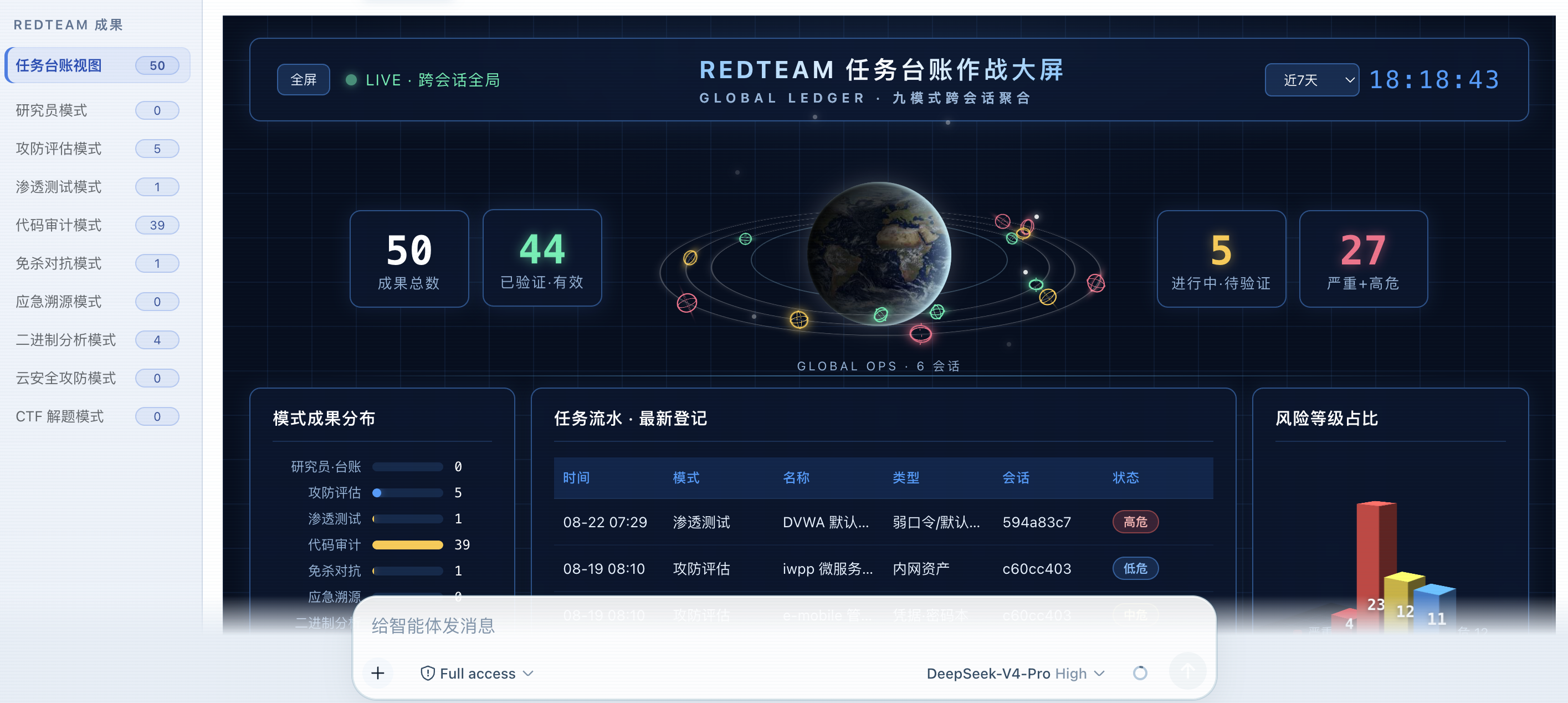
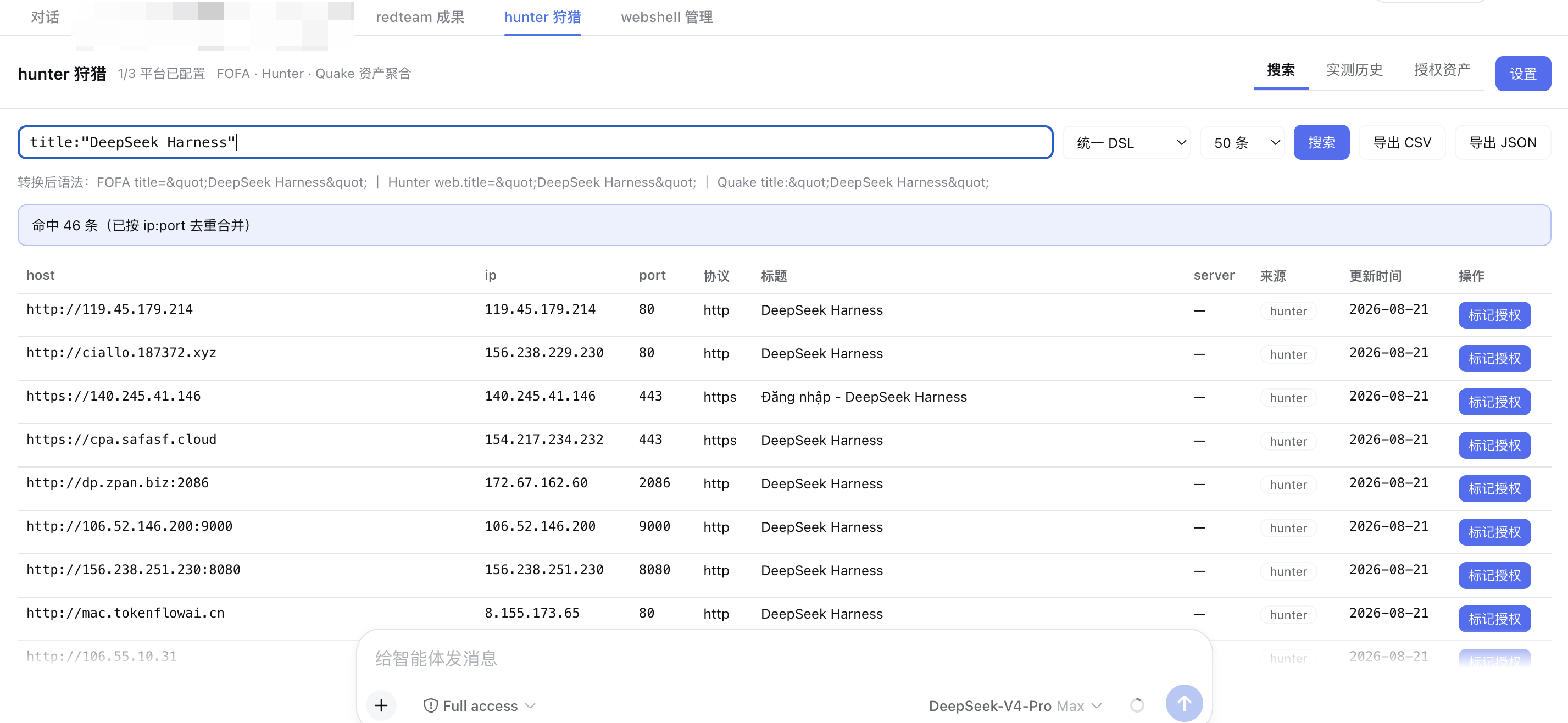
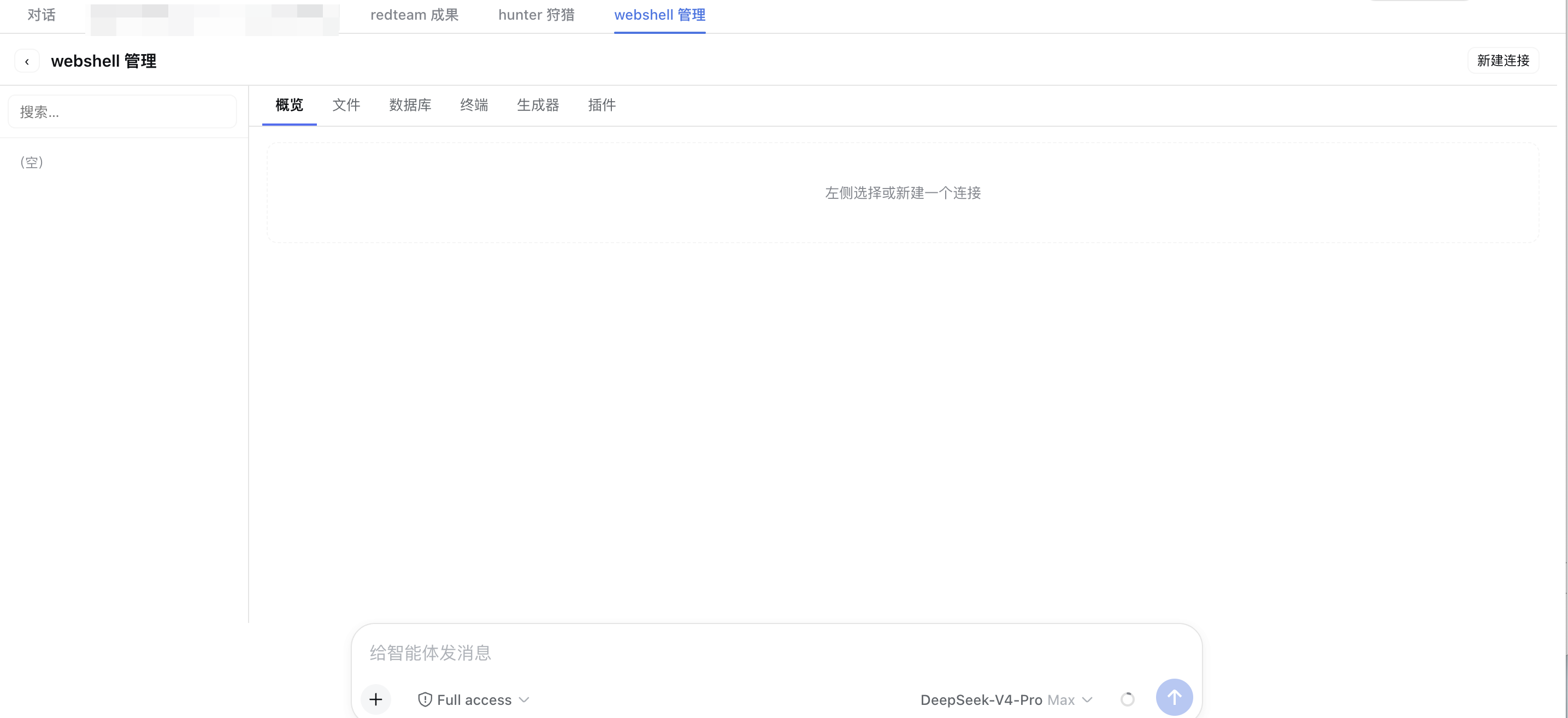
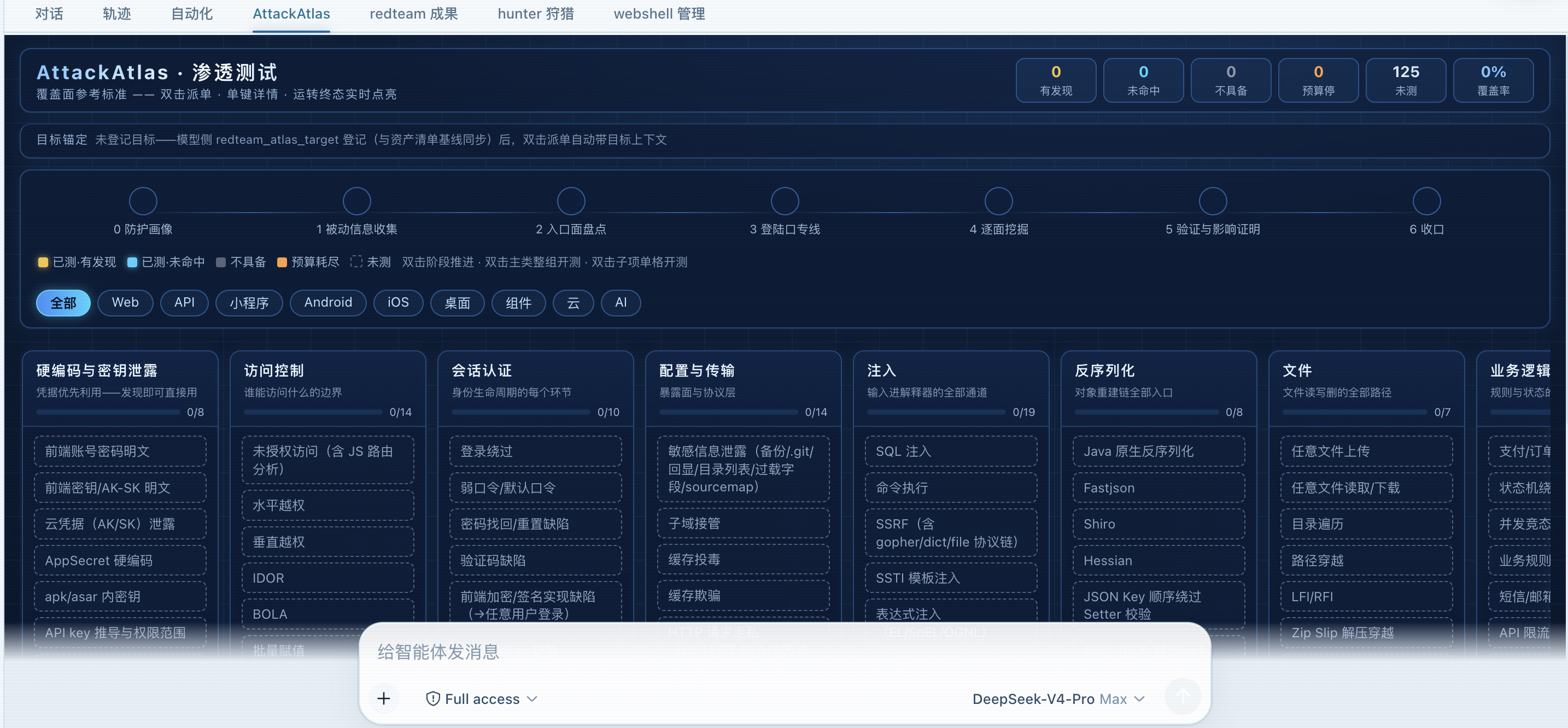
In authorized security testing, general-purpose LLMs often answer by intuition without process constraints, evidence chains, or auditability, leading to missed findings, false positives, or scope violations. dsh-redteam-model injects a red-team research framework into DeepSeek Harness: nine preset modes serve as entry points, guiding the AI through structured personas, playbooks, skills, and reference knowledge bases across penetration testing, code auditing, binary analysis, AV evasion, incident response, cloud security attack/defense, and CTF solving. It turns security research from ad-hoc Q&A into an auditable, reproducible engineering process.
Its core strength lies in a dual defense of textual discipline and runtime enforcement. Textual contracts such as stage gates, report gates, evidence levels, and coverage matrices constrain model behavior, while fifteen runtime plugins provide deterministic interception and record-keeping: gate validation before tool calls, PASS checks before report writes, ask-before-execute for high-risk commands, refusal detection with re-injection, cross-session result aggregation, asset hunting, and campaign memory. The plugins are self-contained and deployable offline, with scanners and MCP tools supporting three-level fallback and no cloud dependency.
This framework suits authorized red teamers, penetration testers, code auditors, incident responders, and CTF players. It helps teams turn hard-won experience into reusable operating modes while preserving a complete audit trail, so every action has a basis, a boundary, and a record. It is intended only for legally authorized security research and education; users must comply with local laws and take responsibility for their own actions.
Screenshots
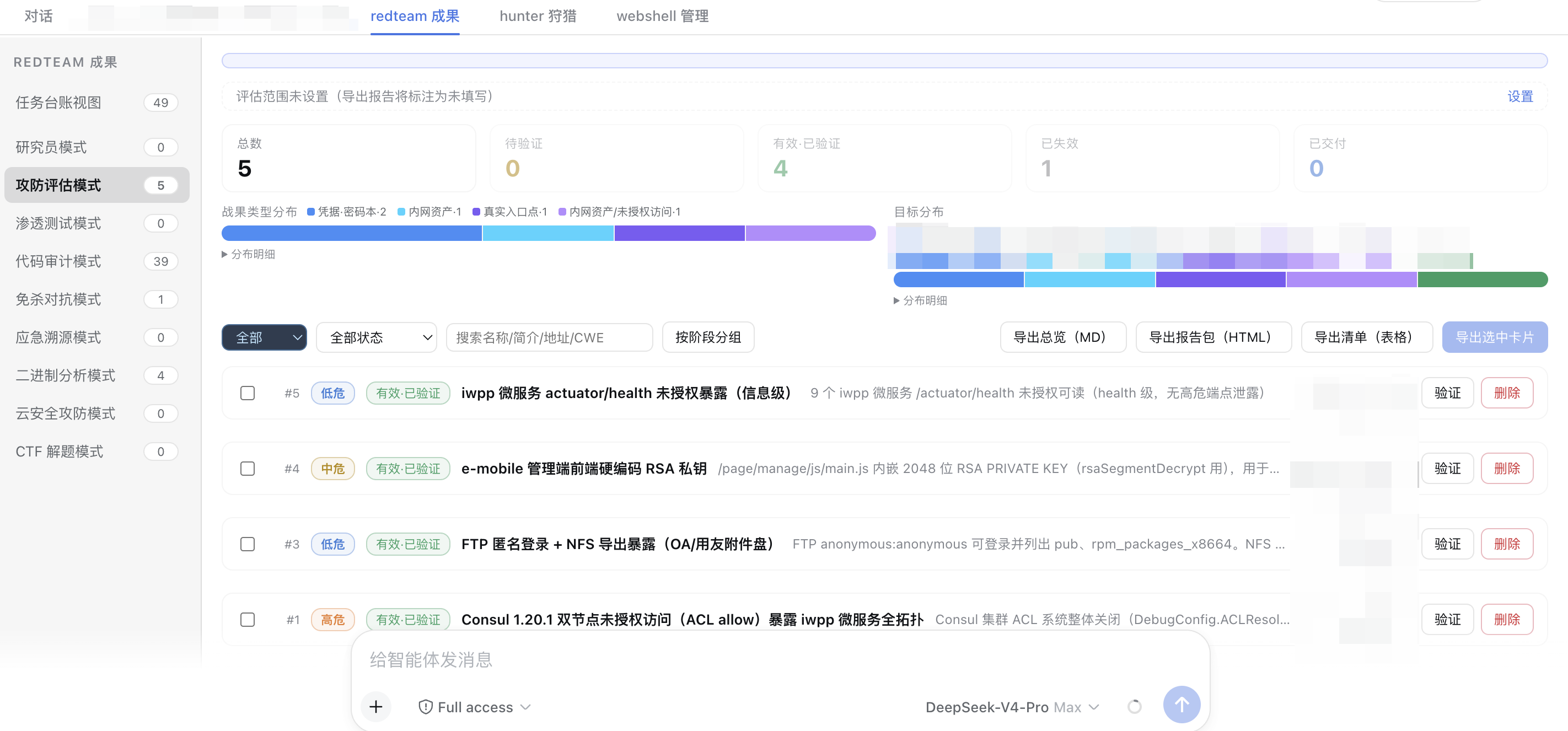
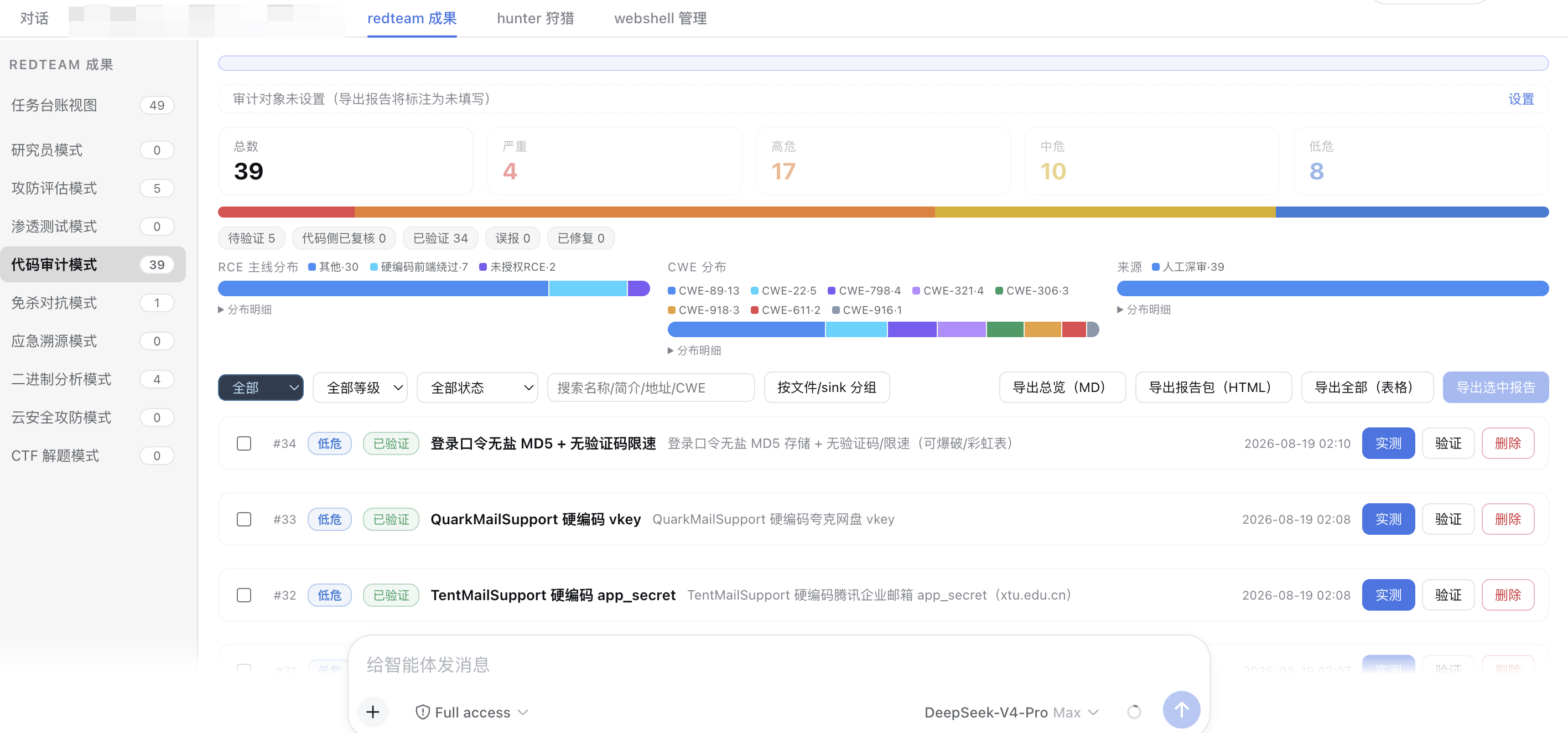
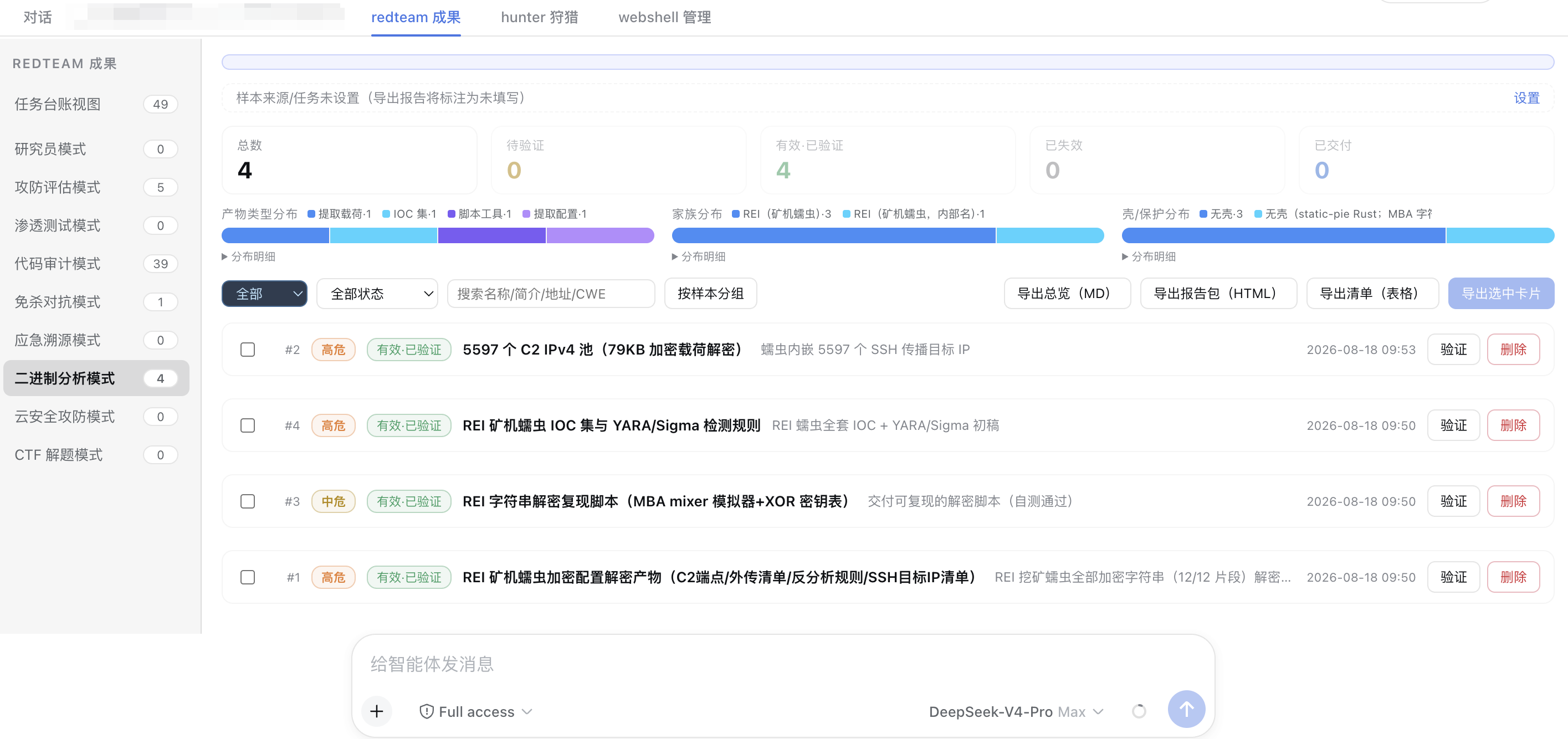
Use Cases
- Authorized penetration testing and vulnerability verification
- Source code auditing, binary analysis, and AV evasion research
- Incident response, cloud security attack/defense, and CTF solving
Best For
- Red teamers and penetration testing engineers
- Code auditors and binary security researchers
- Incident response analysts and CTF players
Related Plugins
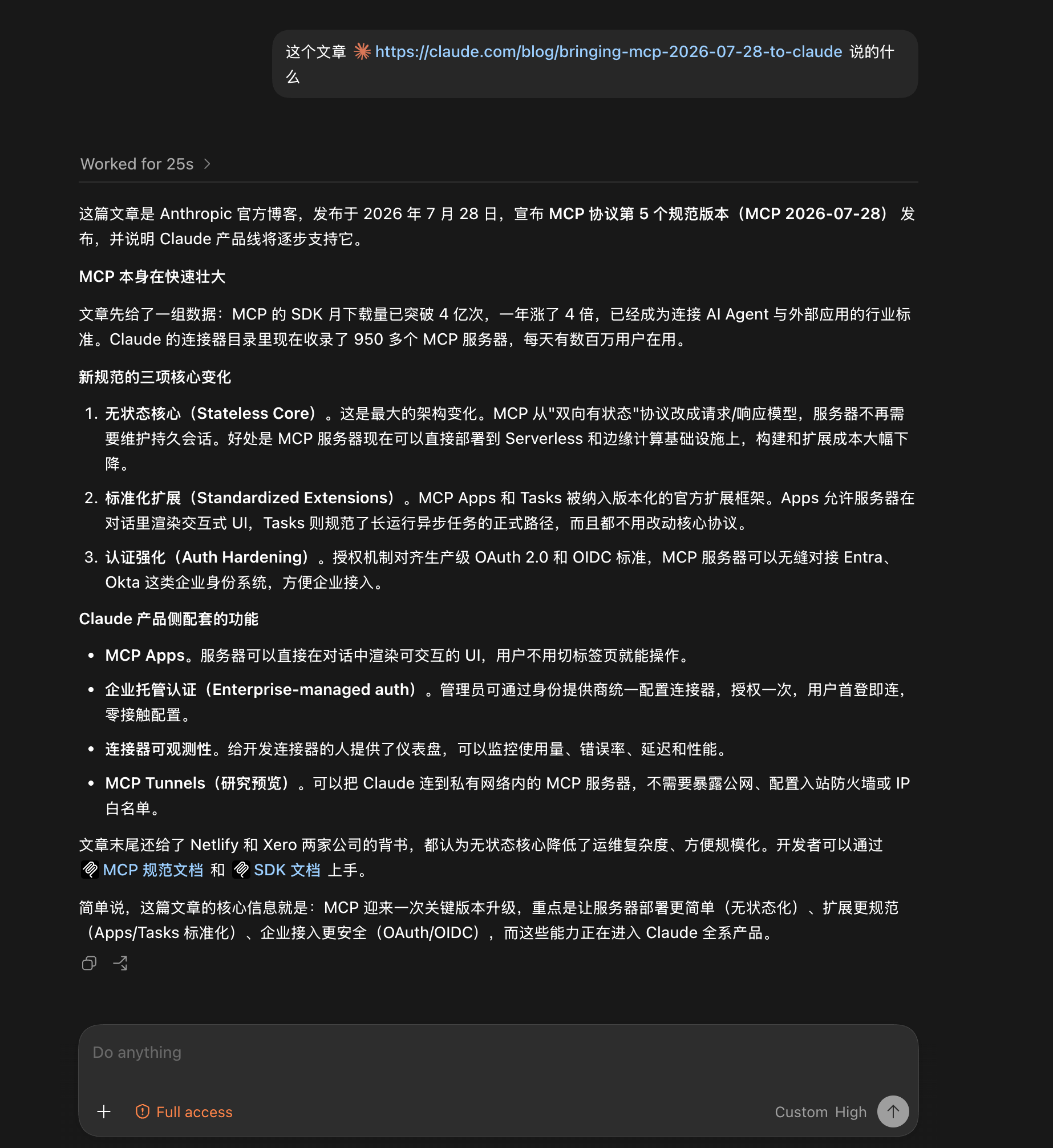
Free web search plugin for DeepSeek Harness with web search, X search, and page fetch; no signup or API key required, with automatic multi-engine failover.

AnySearch-powered web and vertical search plugin for DeepSeek Harness, offering real-time search, cleaned URL content, concurrent batch search via native web_search/web_fetch, no API key required.
Pixel-perfect webpage clone tool that uses an agent harness to turn any webpage into a scored, full-page React replica.

A bilingual cost-tracking plugin for DeepSeek Harness with session/daily cost, budget, official & custom provider balance, coding plan quotas, peak/off-peak pricing alerts, and history stats.