dsh-useragent
Run the following command in DeepSeek Harness:
dsh plugin install uckkk/dsh-useragent
Paste the following prompt into your AI chat to install this plugin:
Run dsh plugin install uckkk/dsh-useragent in the DeepSeek Harness terminal. The source is at https://github.com/uckkk/dsh-useragent . After installation, add "dsh-useragent" to the dsh.profile.bundles array in your profile's package.json.
About this plugin
When building web applications, analyzing access logs, or crafting anti-scraping policies, the User-Agent string is often the most direct yet hardest-to-read entry point. Buried in that seemingly random text are critical details: browser name, version, operating system, device form factor, rendering engine, and whether the visitor is a bot. dsh-useragent turns that noise into structured, queryable fields so you never have to maintain your own regexes or lookup tables.
It exposes a single tool, parse_ua. Feed it a raw User-Agent string and it returns the browser and version, operating system, device type (desktop, mobile, tablet), rendering engine, and a crawler flag. It is implemented in pure Node.js with zero external runtime dependencies, keeping it lightweight and easy to slot into existing data pipelines or session workflows.
Whether you are segmenting A/B test audiences, writing log-analysis scripts, tuning anti-bot rules, or simply want to quickly identify an unfamiliar UA string during a conversation, calling parse_ua gives you an instant structured answer. The project is released under the MIT license, so you can integrate it into any Node project with confidence.
Use Cases
- Analyze browser and device distribution in access logs
- Identify crawler UAs before writing anti-bot rules
- Parse an unfamiliar User-Agent string on the fly
Best For
- Web developers who need to parse UA strings
- Data engineers writing log-analysis scripts
- Security engineers crafting anti-bot policies
Related Plugins
Free web search plugin for DeepSeek Harness with web search, X search, and page fetch; no signup or API key required, with automatic multi-engine failover.

AnySearch-powered web and vertical search plugin for DeepSeek Harness, offering real-time search, cleaned URL content, concurrent batch search via native web_search/web_fetch, no API key required.
Pixel-perfect webpage clone tool that uses an agent harness to turn any webpage into a scored, full-page React replica.
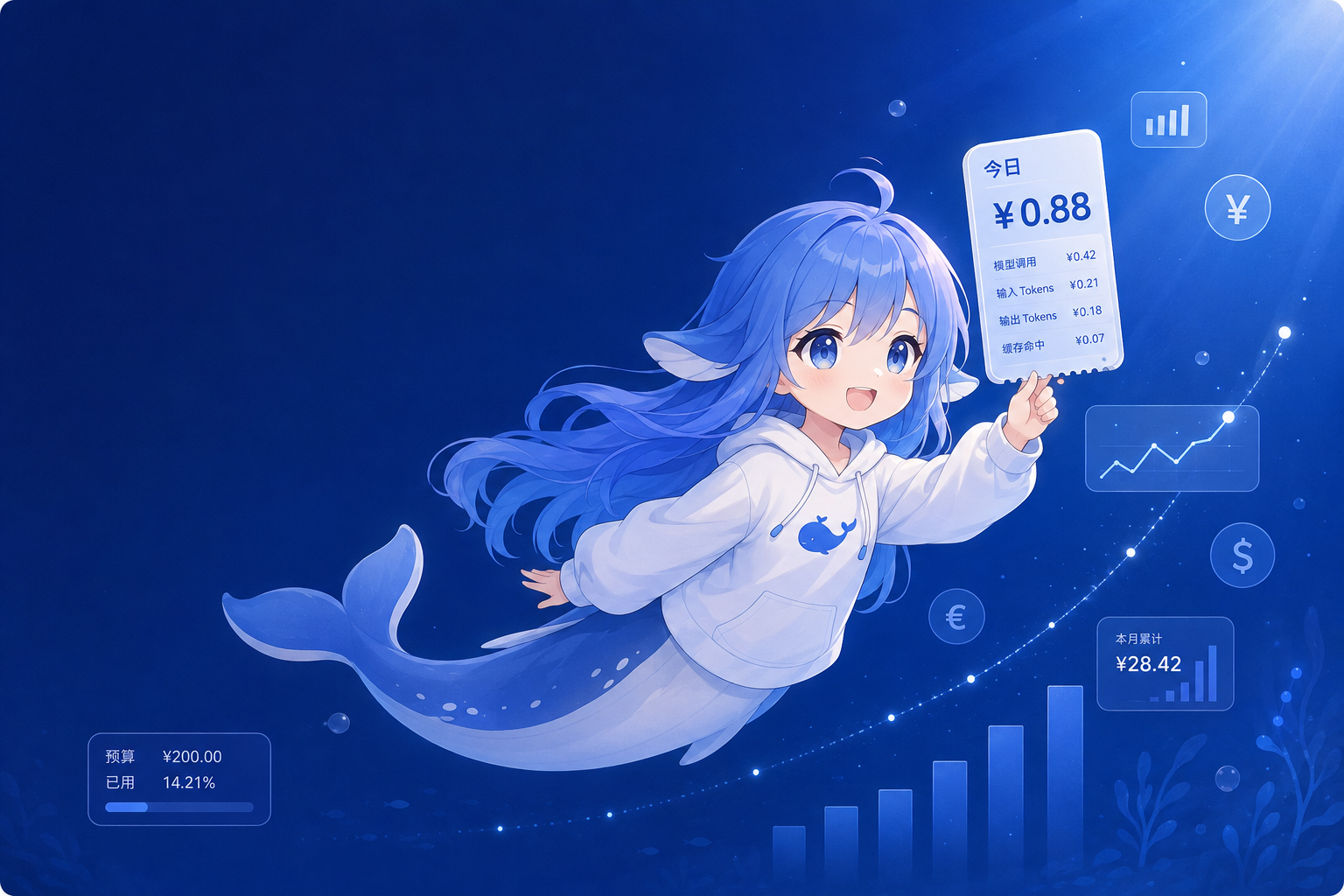
A bilingual cost-tracking plugin for DeepSeek Harness with session/daily cost, budget, official & custom provider balance, coding plan quotas, peak/off-peak pricing alerts, and history stats.