Mind Mapping Learning Explorer
Paste the following prompt into your AI chat to install this skill:
Follow https://skillhub.cn/install/skillhub.md to install @user_3c6cb52e/self-ent-edu-mind-mapping.
About this skill
What it addresses
Many learners treat mind maps as visual note-taking: central node, branches, colors, but knowledge is not organized into usable retrieval paths. The issue is not missing branches; it is missing an understanding of memory, attention, and self-regulation. self-ent-edu-mind-mapping reframes mind mapping as learning-path design, using structure to support comprehension, recall, and review.
How it works
The skill runs a six-step loop:
- State check: identify current state, behavior pattern, and blocker
- Mechanism explanation: connect the blocker to memory, metacognition, or self-regulation
- Actionable strategies: provide 2-3 options with difficulty and expected effect
- Micro-action design: create a small task that can be done today
- Obstacle prediction: list at least two likely friction points and responses
- Review mechanism: propose a concrete reflection rhythm
It also keeps interaction light by asking no more than 3 questions per session, and uses an exploration-level system to move from basic concepts to case analysis and independent reasoning.
Boundaries
It is constrained to LLM-generated text only, with no external APIs, plugins, or web access. It is better suited to method discussion, strategy breakdown, and small practice loops than real-time source retrieval, formal assessment, or curriculum design. Output quality depends on the learner’s ability to specify topic, goal, and current blocker.
Use Cases
- Build a review map of word roots and meanings before studying vocabulary for an exam.
- Turn loss functions, optimizers, and gradient checks into a teaching path for an ML lecture.
- Convert compliance process training into state check, strategy, and review checklist.
- Use metacognitive questions to help a student locate essay blockers and design a micro-action.
Best For
- Grad exam students who need to turn dense chapters into retrievable review paths.
- Corporate trainers who need to turn process knowledge into strategies and review frameworks.
- Parents helping with homework who need to split unit topics into micro-actions and obstacle plans.
- Self-studying data learners who need to connect concepts, cases, and methods into discussion-ready structure.
Related Skills

Provides high-school math problem solving, gaokao past-paper analysis, and elementary/junior-high contest support.

Converts project facts, sample papers, and citation constraints into a structured, length-controlled Chinese .docx thesis with complete figures and tables.

A dual-track academic manuscript reviewer combining local seven-dimension scanning with multi-role expert critique, producing scores, priorities, and key fixes.
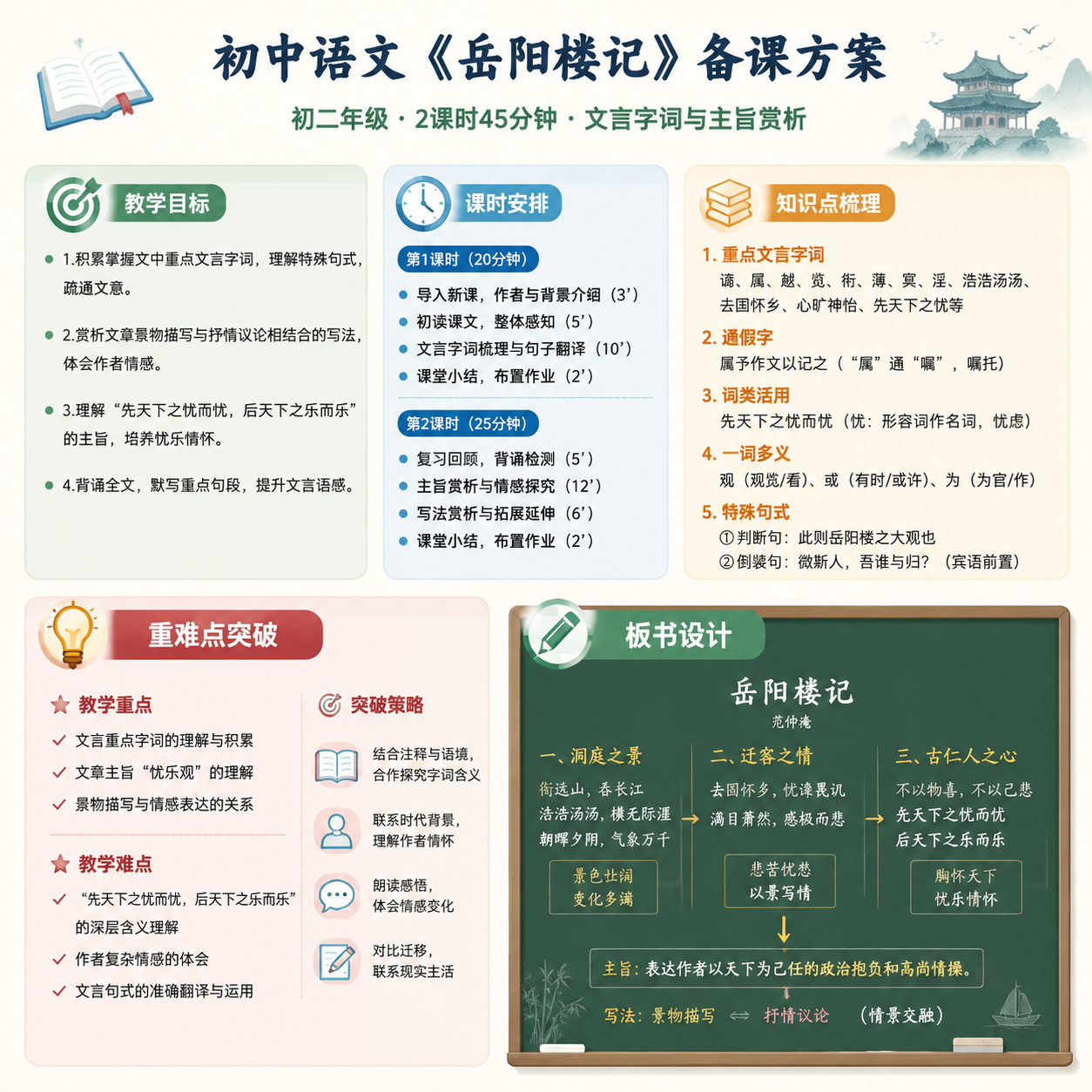
Asynchronously generates structured teaching elements, layout suggestions, and a high-resolution lesson-plan image from course topic, duration, student context, and teaching focus.