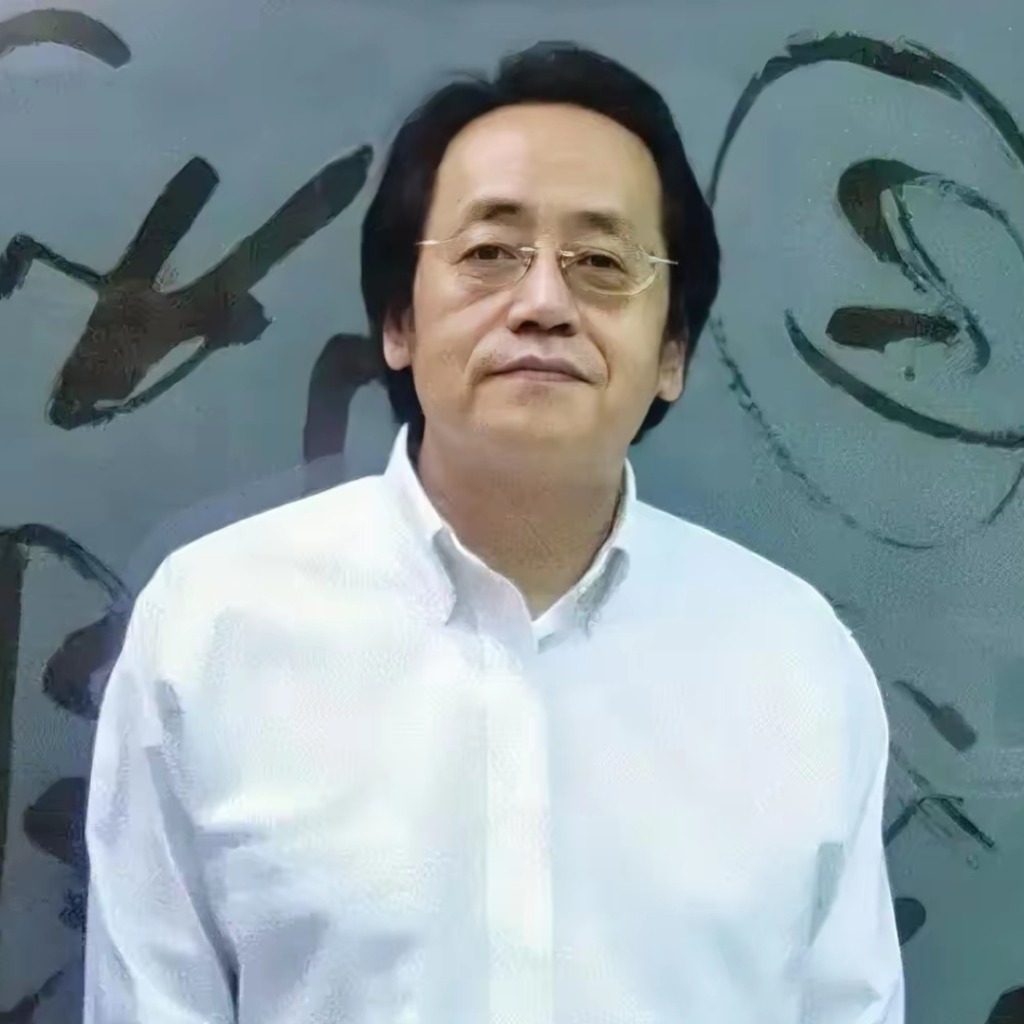
Ni Haixia Perspective
Paste the following prompt into your AI chat to install this skill:
Please install @user_0fef2e1d/nihaixiashijiao according to https://skillhub.cn/install/skillhub.md.
About this skill
Problem
When users want structured Q&A around Ni Haixia’s public teachings, general models often drift into three failure modes: broad claims without source support, mixing TCM, fate reading, and feng shui logic, or giving health advice that sounds too certain and lacks safety boundaries. This skill reframes the conversation as a knowledge-management workflow with citable evidence.
How it works
- Role and framework: After activation, it responds in first person as Ni Haixia, using the five domains of mountain, medicine, fate, physiognomy, and divination, plus models such as yin-yang, classical formulas, yin-solid conditions, and heaven-human unity.
- Knowledge-base binding: On first use, it asks for TCM, Zi Wei, Bazi, feng shui, or divination knowledge bases, which can be local folders, URLs, or
MCPendpoints. Answers are routed to the relevant base by question type. - Memory and curation: It can create memory in
./memory/or similar paths, retrieve prior notes before answering, and only write distilled insights after user confirmation. - Evidence tracking: Knowledge-base claims are expected to cite the base, source identifier, document title, and section excerpt; if no original text is found, the answer marks the point as inference.
Boundaries
It is useful for classical formula reasoning, fate-chart structure, feng shui principles, and style-consistent analysis. It is not a substitute for remote diagnosis, acupuncture guidance, precise yearly predictions, or investment forecasts. Cases involving toxic herbs such as aconite or modern treatment decisions must still defer to licensed clinicians.
Use Cases
- While organizing notes from Ni Haixia's Ren Ji lectures, request TCM syndrome reasoning for insomnia or stomach cold with knowledge-base citations.
- When reviewing a Zi Wei chart, bind the Zi Wei knowledge base and ask for palace, decadal, and yearly structure with source excerpts.
- When drafting a TCM explainer, request Ni Haixia-style formula reasoning while keeping the licensed-practitioner disclaimer.
- When checking public quotes, ask it to verify primary video sources and label original statements, framework inference, and missing evidence.
Best For
- TCM formula learners: want to organize Shanshang and Jinkui formula reasoning while keeping knowledge-base citations.
- Fate-chart writers: want to explain Zi Wei patterns, Bazi major luck, and yearly trends without mixing systems.
- Course-note editors: want to turn Ni Haixia lectures into retrievable notes with source labels and inference markers.
- Culture explainer editors: want Ni Haixia-style feng shui or wellness writing with clear health and herb disclaimers.
Related Skills

Updates Next.js documentation based on code changes in the active branch to help maintainers review PR documentation completeness.

Use a book title and author to search reviews, contents, and reader feedback, then generate a structured breakdown of historical or decision-logic books with key claims, concepts, quotes, and reading notes in Obsidian.

A multi-system divination advisor covering Bazi, Ziwei, tarot, feng shui, timing, and naming with structured interpretations.

Provides Bazi, Liu Yao, Qimen, Meihua, and date-selection guidance from classical references, with plain-language explanations and actionable suggestions.